The Future Roller Skating Rink Owner's Startup PlaybookOpening a roller skating rink is a dream that mixes nostalgia with opportunity, but behind every polished floor and booming soundtrack lies a web of financial, regulatory, and operational hurdles. Whether you’re converting an old rink or breaking ground on something brand new, success depends on meticulous planning and rock-solid documentation.
This guide breaks down some of the top 10 most important things every future rink owner must know — from bank expectations and feasibility studies to flooring, insurance, and music licensing — with direct links to official resources and industry standards. 1. Build a Lender-Ready Plan (and Know Which Loan Fits) Securing financing is your first major test as a rink entrepreneur. Banks and SBA-approved lenders will judge your project based on your ability to plan, project, and repay. Start with a strong business plan that outlines your mission, market, projected income, and repayment strategy. If you’re using SBA programs, explore the SBA 7(a) Loan Program — it’s the most flexible option for working capital, build-out, and equipment. For larger property or construction projects, the SBA 504 Loan Program offers long-term, fixed-rate financing for real estate or major equipment purchases. Most lenders look for a Debt Service Coverage Ratio (DSCR) around 1.25x, meaning your projected cash flow should cover your annual debt payments by at least 25%. You can learn more about this key metric from sba7a.loans. Be prepared to provide detailed financial statements, collateral documentation, personal guarantees, and a clear repayment schedule. The U.S. Small Business Administration outlines lender eligibility and borrower requirements in depth. 2. Do a Real Feasibility Study (Your Market Reality Check) A feasibility study proves to lenders and investors that your business projections are grounded in data — not hope. It’s the foundation of your financial credibility. A strong feasibility report should define your trade area (typically a 10–20-minute drive), analyze population demographics, income brackets, and youth density, and identify competing entertainment venues such as other rinks, bowling alleys, and trampoline parks. Use free government tools like Census Business Builder and data.census.gov to gather localized demographic and economic data. You can find additional guidance on building market research from the SBA’s Competitive Analysis Guide. Include maps, competitor profiles, survey results, and a realistic attendance forecast. The Census Bureau’s training resources also offer tutorials on analyzing demographic data for business planning. 3. Nail Down Site Selection, Zoning, and Parking Even a perfect business plan can’t overcome a bad site. Roller rinks fall under assembly occupancy in building codes, so your location must meet zoning and safety requirements before you can open. Confirm your property’s zoning classification (amusement, recreation, or assembly) and check if you need a special-use permit. Consult your city’s planning department early. You’ll also need to meet parking minimums, which often require one space per 100–120 square feet of rink area, plus extra for spectators. Work closely with your architect and local building officials to ensure compliance with local ordinances. You can review common standards from the International Code Council (ICC) and your municipality’s zoning portal. Don’t finalize a lease or land purchase until you’ve verified that your site can accommodate both your occupancy load and your parking requirements. 4. Meet Life-Safety and ADA Standards from the Start Your rink will be classified as an assembly space, meaning strict rules govern exits, lighting, accessibility, and emergency systems. Key elements include properly sized and illuminated exit pathways, panic-bar doors that swing in the direction of travel, and clearly posted occupant load signs. The NFPA 101 Life Safety Code and the International Building Code (IBC) outline these safety measures in detail. Accessibility compliance is equally critical. The Americans with Disabilities Act (ADA) Standards for Accessible Design require barrier-free access to entrances, restrooms, seating, and service counters. Hire an architect or code consultant early to prepare a life-safety plan and ADA compliance checklist for your permit application — it will save you time, money, and red tape later. 5. Choose the Right Skating Floor (Your Core Asset) Your rink’s floor isn’t just a surface — it’s your business identity. The feel, glide, and maintenance cost of your floor affect everything from customer satisfaction to injury rates. The Maple Flooring Manufacturers Association (MFMA) (and skaters worldwide) recommends northern hard maple as the gold standard for roller skating. This surface provides unmatched durability and consistency, as explained in the MFMA’s article Today’s Preferred Sports Surface. Other alternatives can lower initial costs, but may change your rink’s acoustics and rolling performance. The goal is to make sure that you're providing a surface that skaters enjoy, and that means investing in a good skating surface. Consult someone with a history of installing specifically roller skating floors (we have a full list of RSM members to speak with) who can specify proper subfloors, vapor barriers, and finishes, and set up a maintenance plan that includes annual recoating. A quality maple floor can last decades with proper care — making it one of the smartest long-term investments in your build. 6. Get Music Licensing Right (All Four PROs Matter) Music is the heartbeat of your rink — and one of the easiest areas to misstep legally. To play music publicly, you must license from all four U.S. Performance Rights Organizations (PROs): Each PRO represents different artists, and no single license covers them all. Skipping one can lead to costly infringement claims — as detailed by the Roller Skating Association’s music licensing guide. The RSA collects annual fees for ASCAP, BMI, and GMR, while SESAC is paid directly. 7. Carry the Right Insurance Portfolio Rinks are high-activity environments, so you’ll need coverage that anticipates both common and catastrophic risks. Specialty providers, specifically the RSA's preferred carrier, JBL Trinity World, understand the exposures unique to skating facilities. At minimum, you’ll need:
Insurers favor operators who maintain floor care logs, skate inspection records, and written safety procedures — so document everything. The RSA has a full My Skate Repair program that rink owners can use to track every single skate and piece of equipment, as well as store videos and incident reports. Having a proactive safety culture can also help lower your premiums. 8. Build a Realistic, Diversified Revenue Model To survive beyond the honeymoon phase, your rink must earn income from multiple channels. Your feasibility study should flow naturally into your revenue model, breaking down how each program type contributes to total income. Common revenue streams include public sessions, private events, birthday parties, lessons, fundraising nights, retail sales, and concessions. ICEE, Pepsi, Dippin' Dots, arcade games, STEM Roller Skating Program, Kids Skate Free and more all contribute to this. To estimate attendance and pricing, rely on structured market research as outlined in the SBA’s Market Research Guide. Be conservative with your estimates and model seasonality (school breaks, holidays). Banks prefer grounded projections over optimistic ones — it demonstrates operational maturity and planning discipline. 9. Create a Permitting & Pre-Opening Roadmap The permitting process can be tedious but predictable if you map it correctly. Your typical sequence should generally include: Pre-application meeting with your local planning department.
Each step should be built into your project schedule and business plan appendix — lenders will appreciate the foresight. 10. Develop Operations Playbooks That Reduce Risk A well-documented operation is not only safer — it’s more bankable. Lenders and insurers want to see that you can run a controlled, consistent operation. Create written SOPs covering:
Include these documents in your business plan appendix and employee training. A well-organized operator signals reliability — and that makes you a better bet for financing and partnerships. Final Thoughts Building a roller skating rink is equal parts passion and precision. You’re not just opening a nostalgic pastime, you’re creating a regulated, capital-intensive entertainment business. If you invest the time to research your market, comply with every regulation, and design systems that impress bankers and insurers, you’ll set the wheels in motion for decades of community fun and financial success.
0 Comments
Attending Sk8 Expo is a game‑changer if you want to grow your roller skating rink business. Whether you’re launching a rink or already running one, this event offers actionable insights, vendor connections, and legal strategies—all proven to boost revenue or reduce costs. Here’s how each day of the event delivers a return on investment for rink owners. Emergency Certification: CPR & First Aid Tailored to Rinks Roller rink environments bring unique risks. The Expo’s CPR and First Aid sessions teach your team how to respond quickly to accidents. From a business standpoint, this reduces legal exposure—cutting potential lawsuits that could cost tens of thousands—and may help lower insurance premiums. Demonstrating that your staff are educated during our IALDA legal sessions boosts your credibility with parents, schools, and community groups. STEM Partner Boot Camp: Monetize Slow Weekdays with Educational Programs If you’re opening a roller skating rink or already running one, the STEM Licensee Boot Camp offers materials and marketing guidance to partner with local schools. Operators have turned this into $80K–$150K annually in extra revenue from weekday educational visits. You’ll learn how to book events, apply for grants, and market these sessions so they practically sell themselves. Legal Seminar: Protect Your Business from Costly Mistakes Lary Zucker’s session distills real legal cases involving rinks—what went wrong, and how to avoid similar pitfalls. Understanding legally sound waivers, accident documentation, and dispute prevention tactics can save your business from lawsuits that sometimes reach five figures. Leadership Across Generations: Build a Cohesive Workforce Scott Salter presents strategies for managing Gen Z through Boomers. By addressing communication styles, expectations, and motivation across age groups, you can reduce turnover—SHRM estimates the cost of turnover averages $4,000+ per employee. Reducing turnover and improving team cohesion improves customer experience, leading to better reviews and repeat visits. Tax Strategy Session: Write Off What You’re Actually Spending Joe Smith, CPA, will unpack tax deductions many rink owners miss: skate depreciation, event entertainment, lighting upgrades, and more. Filling those gaps could save you $5,000–$15,000 per year, and knowing how to document expenses properly can help you avoid audits that cost even more. Marketing Workshop: Proven Promotions and Automated Campaigns The Hownd/FetchRev session shows how rinks earn thousands extra monthly through targeted email offers and promotions—with ROI as high as 4×–5× your spend. Billboard ads can’t compete with this kind of efficiency. You’ll leave with ready‑to‑use marketing templates and strategies that work immediately, even if you’re new to digital marketing. Trade Show Networking: Access to Exclusive Deals You Can’t Find Online The Expo’s trade show connects you with suppliers of skates, lighting systems, software—including reservation platforms optimized for roller skating rinks. Many vendors offer trade‑show–only discounts, sometimes saving 5–20% compared to regular pricing. Smart purchases here can reduce your upfront capital outlays or operational costs. Donor Funding & Grant Writing: Turn Community Goodwill into Revenue Chanel Bellotto & Cindy Anderson’s session teaches you how to access educational grants, community sponsorships, and Roller Skating Foundation funding to run weekday STEM or outreach programs. You’ll leave with pitch decks and proposal templates, so you don’t have to reinvent the wheel. Contract Sales & Group Booking Optimization: Increase Party Revenue United Skates of America presents strategies to structure group contracts and pricing bundles that can boost booking revenue by 10–30% per event. Imagine earning hundreds more per birthday party by using smarter pricing tiers and upsells. Better contracts also reduce cancellations and improve forecasting accuracy. Networking Events: Build Relationships That Drive Growth Informal settings—from the poolside Welcome Reception to the Jungle Queen cruise—are where relationships form and insights are exchanged. Over 70% of trade show attendees credit networking with discovering new vendors or partnerships. Those conversations can lead to lucrative sponsorships, marketing collaborations, or fresh ideas worth thousands per year. Strengthen Community Ties, Drive Traffic, and Support Public Safety
National Night Out (NNO), held annually on the first Tuesday in August, is a powerful opportunity for roller skating centers to connect with their communities, engage local families, and build goodwill alongside law enforcement and public safety partners. While traditionally organized by police departments and neighborhood associations, skating centers can easily host their own version — and benefit from the visibility, turnout, and community alignment that come with it. If you’re considering hosting your first National Night Out, here’s a step-by-step guide to help you make it happen. Step 1: Understand the Purpose National Night Out is a nationwide campaign focused on building stronger relationships between communities and law enforcement. It promotes safety, crime prevention, and neighborhood unity — all values skating centers are already aligned with. Your event should reflect this by being free or low-cost, welcoming to all ages, and focused on fun, education, and inclusion. Step 2: Coordinate with Local Authorities Reach out to your local police department, fire department, or public safety office and ask how they’re participating in National Night Out. Many departments are already planning community pop-up events and are looking for venues to host them. Offer your rink as a site or satellite location — especially if your facility has space for booths, games, or demonstrations. Tip: Start this outreach no later than early July if you want support or co-hosting from your local agencies. Step 3: Design Your Event Plan a family-friendly evening that includes some of the following ideas:
Optional: Include a short welcome from your staff or a community leader that ties your event into the mission of National Night Out Step 4: Promote It Effectively Use these channels for promotion:
Be sure to highlight that this is a community-building event, not just a discount night. Encourage families to come out, meet their neighbors, and support local skating. Step 5: Prepare the Day-Of Experience Assign roles in advance — who’s welcoming guests, who’s managing activities, who’s liaising with visiting officers or community groups. Decorate with a patriotic or safety-themed aesthetic, have music playing, and keep the energy up. Offer stickers or free water bottles to kids, and be sure to collect email addresses or pass sign-up forms at the door to build your future marketing list. Step 6: Document and Follow Up Capture photos and video from the event and share them on your rink’s social media channels with appropriate tags (like #NationalNightOut #NightOutOnWheels #WheelsforUnity). Send a thank-you to participating community partners and ask your guests to leave a review if they had a great time. Consider doing a short write-up or press release to submit to your local newspaper or chamber of commerce. Use it as a PR moment to highlight your rink’s commitment to community safety and youth engagement. Note: If you are a paying user of ChatGPT, you may be able to use the "Contact Finder" built in GPT. Open the app, click on GPTs and search for "Contact Finder" and then use various questions to ask for a complete list of news email addresses for TV, Radio, Online News, Magazines and Newspapers within 50 miles. It will give you a chart that you can then copy and paste in excel or google sheets. Use this list to email your press release. Why It Matters: Hosting your own National Night Out can drive significant foot traffic, increase visibility with new families, and create lasting ties with local leaders. More importantly, it positions your skating center as a proactive, community-minded business that supports youth, safety, and positive public engagement. Opening a roller skating rink can be a thrilling and profitable business venture, but like any enterprise, success requires more than just a great location and an exciting concept. To navigate the unique challenges of the roller skating industry, entrepreneurs need resources, support, and expert guidance. This is where membership in the Roller Skating Association (RSA) becomes invaluable. As the leading professional organization for the roller skating industry, the RSA provides a comprehensive suite of tools, benefits, and networking opportunities that are crucial for anyone looking to open and operate a successful skating rink. 1. Industry Expertise and Support One of the biggest challenges when starting a new business is the lack of industry-specific knowledge. The roller skating industry, while exciting, has its nuances, from managing skate rental services to optimizing rink operations and adhering to safety regulations. The Roller Skating Association has been a cornerstone of the industry since 1937, offering its members unparalleled access to insider knowledge and best practices. Through membership, rink operators can tap into resources such as the nearly 500 page Roller Skating Industry Guide, operational handbooks, and expert consultations, which cover everything from rink design to financial planning. These resources can drastically reduce the learning curve, helping new rink owners avoid costly mistakes and build a thriving business from the start. The RSA’s Risk Management Guidelines and Safety Standards provide further support by ensuring rinks adhere to industry regulations, keeping customers safe and helping operators avoid legal complications. 2. Education and Training Programs Running a roller skating rink involves more than just offering a fun experience; it’s about managing employees, understanding equipment, promoting safety, and maximizing profitability. RSA members gain access to a wealth of education and training programs designed to help rink owners develop these skills. RSA offers webinars, training sessions, and even in-person courses at its annual Roller Skating Association Convention & Tradeshow in the spring and Sk8 Expo in the fall. These educational resources cover critical areas such as risk management, skate maintenance, employee management, and marketing strategies tailored specifically to roller skating rinks. By participating in these programs, new rink owners can gain the confidence and knowledge they need to run an efficient and profitable operation. In addition, the RSA partners with organizations to provide significant discounts on products and services, and an RSM membership level made up of experts who can provide technical knowledge on everything from maintaining skating surfaces, repairing equipment, and optimizing rink layouts to how to lay out your arcade, ADA guidelines, and building a website. These programs ensure that rink owners are fully prepared to tackle the technical challenges of rink management, which can be daunting for newcomers. 3. Marketing and Promotional Support One of the key benefits of joining the RSA is the marketing and promotional support available to members. Roller skating rinks face stiff competition from other forms of entertainment, and attracting customers can be a challenge. RSA membership includes access to a wide range of marketing tools and resources, such as customizable promotional materials, seasonal campaigns, and social media toolkits designed to help rink owners drive traffic to their business. Furthermore, the RSA promotes skating on a national level through initiatives such as National Roller Skating Month, which helps increase visibility for the industry and encourages people to visit local rinks. RSA members can leverage these nationwide campaigns to boost their own marketing efforts and attract new skaters. For those who are just opening their rinks, the RSA’s promotions and marketing committees provides invaluable tips for developing a marketing plan, creating engaging content, and ensuring that the rink’s online presence is optimized. Whether through digital marketing or traditional media, RSA members have the educational guidance to find the right tools they need to build their brand and grow their business. 4. Networking and Industry Connections Being part of the Roller Skating Association connects rink operators to a vast network of professionals within the industry. RSA members are invited to attend the annual RSA Convention & Tradeshow or Sk8 Expo where they can meet and learn from other rink owners, vendors, and industry experts. These networking opportunities are invaluable for new business owners, as they provide the chance to build relationships, exchange ideas, and discover new opportunities for growth. Moreover, RSA members can participate in regional events like Chapter Meetings and online weekly town hall meetings where they can seek advice, share experiences, and collaborate on joint ventures. The ability to connect with others who are facing the same challenges, and to learn from seasoned professionals, can be a game-changer for new rink owners. 5. Access to Discounts and Partnerships Opening a roller skating rink requires a significant upfront investment, from purchasing skates to renovating facilities. RSA membership comes with a variety of discounts and partnerships that can help new rink owners save money on essential purchases. RSA members receive exclusive discounts from approved vendors on everything from skate equipment to insurance coverage. The RSA also provides access to special group rates on insurance policies tailored specifically for roller skating rinks. This includes general liability coverage, property insurance, and workers’ compensation, all of which are critical for protecting a new business. By leveraging these discounts and partnerships, new rink owners can significantly reduce their startup costs and ensure that their rink is properly protected. 6. Advocacy and Legal Support The roller skating industry faces unique regulatory challenges, particularly in areas related to safety and insurance. As a member of the RSA, rink owners benefit from the association’s advocacy efforts on behalf of the industry. The RSA works with government agencies and legal experts to represent the interests of rink owners and ensure that regulations are fair and reasonable. In addition, the RSA provides its members with access to legal resources and guidance on issues ranging from liability to employee management. This support is especially valuable for new rink owners who may not be familiar with the legal complexities of running a business. By being part of the RSA, rink owners can rest assured that they have the backing of an organization that is committed to protecting their interests. Conclusion Opening a roller skating rink can be a rewarding venture, but it comes with its own set of challenges. By joining the Roller Skating Association, new rink owners gain access to a wealth of resources, support, and expertise that can help them navigate the complexities of the industry. From education and training to marketing support, networking opportunities, and legal guidance, RSA membership provides the essential tools needed to build a successful roller skating business. For anyone serious about opening a rink, RSA membership is not just a valuable asset—it’s a must-have investment for long-term success. Students attend a Roller Skating STEM Lesson at Skateland in Indianapolis, IN. Roller skating is back and more popular than ever! With its resurgence among younger generations and its numerous health and community benefits, opening a roller skating rink is an exciting and profitable venture. Here are the top 10 reasons why you should consider opening your own roller skating rink, complete with statistics to back it up. 1. Growing Popularity Roller skating has seen a significant resurgence in recent years. Participation in roller sports, including roller skating, grew by an impressive 11.2% in 2022, according to a study by the Outdoor Foundation. This growing trend indicates a robust market for roller skating rinks, making it a great time to invest. 2. Health Benefits Roller skating is not only fun but also a fantastic way to stay fit. The American Heart Association highlights that roller skating provides an excellent aerobic workout that can improve cardiovascular health. An hour of moderate skating can burn up to 600 calories, making it an attractive option for health-conscious individuals. According to a study done by Journo Research, roller skating has fewer injuries than basketball, football, swimming, soccer, baseball, softball, and trampolining! 3. Low Startup Costs Starting a roller skating rink can be more affordable than other recreational businesses. With initial investment costs ranging from $500,000 to $1.5 million, it is significantly lower than the $5 million average required to start a bowling alley, as reported by Entrepreneur. This lower barrier to entry makes it an appealing option for aspiring business owners. 4. Community Engagement Roller rinks serve as vital community hubs, fostering social interaction and community spirit. According to the National Recreation and Park Association, 75% of Americans believe that local parks and recreation services, including roller rinks, are crucial for community health and wellness. Your roller rink can become a beloved gathering place for people of all ages. 5. Diverse Revenue Streams A roller skating rink offers multiple revenue streams beyond admission fees. You can generate additional income through skate rentals, concessions, arcade games, and hosting private events such as birthday parties and school functions, as well as by licensing the United Skates of America Roller Skating STEM Program that comes with several lesson plans per grade designed by college level educators for children K - 12. On average, these sources can add hundreds of thousands of dollars to your annual revenue. The STEM program alone provides upwards of $100,000 in revenue alone, providing financial stability and growth opportunities for your business. 6. Youth Engagement Roller skating rinks provide a safe and fun environment for youth, keeping them engaged and active. The Centers for Disease Control and Prevention (CDC) reports that participation in recreational activities can reduce the likelihood of youth engaging in risky behaviors by up to 30%. Your rink can be a positive influence in the lives of young people in your community. 7. Educational Programs Many roller rinks partner with educational programs to provide unique learning opportunities. The Roller Skating Association’s STEM program integrates science, technology, engineering, and math education, reaching over hundreds of thousands of students annually. By hosting such programs, your rink can contribute to the educational development of local students. 8. Inclusive Recreation Roller skating is accessible to a wide range of age groups and abilities, promoting inclusivity. The National Institute on Aging suggests that inclusive activities like roller skating can improve mental health and social interaction for older adults, with studies showing a 20% reduction in feelings of isolation. Your rink can be a place where everyone feels welcome and engaged. 9. Economic Impact Roller rinks have a positive impact on the local economy. According to the International Association of Amusement Parks and Attractions (IAAPA), recreational facilities, including roller rinks, contribute an estimated $219 billion to the U.S. economy annually. By opening a rink, you’ll be supporting local businesses and creating jobs in your community. 10. Sustainability and Innovation Modern roller rinks are adopting sustainable practices, such as energy-efficient lighting and eco-friendly materials, which can reduce operating costs by up to 30%. Additionally, incorporating new technologies like virtual reality experiences can attract a broader audience and increase engagement. By staying innovative and environmentally conscious, your rink can lead the way in the industry. Conclusion Opening a roller skating rink offers a unique and exciting business opportunity. With its growing popularity, numerous health benefits, and potential for community engagement, a roller rink can be both a profitable venture and a valuable community asset. Whether you're passionate about skating or looking for a rewarding business idea, a roller skating rink might be the perfect fit for you. Jump on this opportunity and roll into success! Become a Future Roller Skating Rink Owner/Operator today! Join us for Sk8 Expo 2024 from August 26-28 at the stunning Margaritaville Beach Resort in Hollywood, Florida. This event is a must-attend for roller skating professionals, packed with activities, seminars, and networking opportunities. For members who are interested, there's a 3-Day Bahamas and Perfect Day Cruise open to all members. Details can be found on the Sk8 Expo Page under the Special Event area. Here's a detailed summary of what to expect each day:
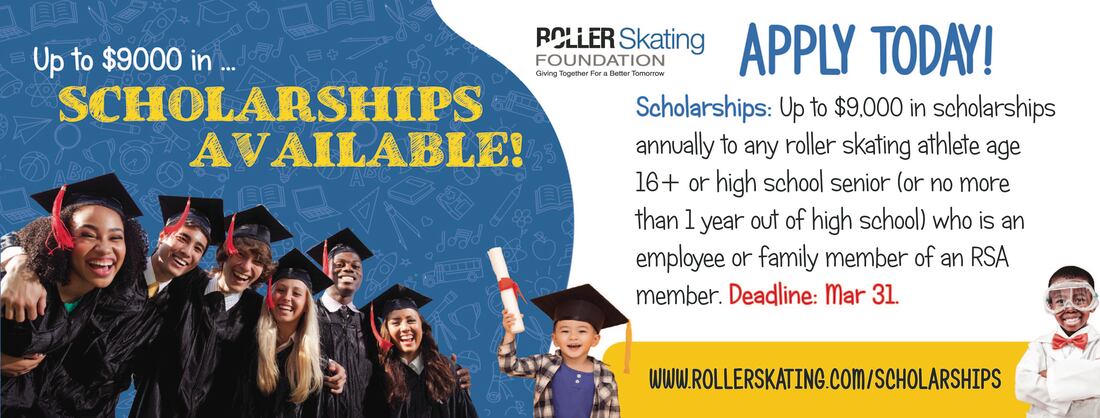
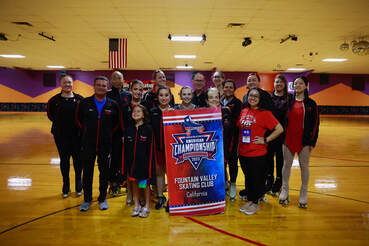
Monday, August 26 The event kicks off with registration from 9 am to 4:30 pm, where attendees can collect their event bags and lanyards. Vendors will set up their booths for the trade show throughout the day. In the afternoon, attendees can participate in a vital CPR and First Aid Certification seminar, ensuring they are prepared for emergencies. Additionally, there’s a STEM Roller Skating Program Boot Camp from 11 am to 2 pm, offering insights into integrating educational programs to boost business revenue. Later in the day, join the bus trip to Miami Roller Skating Rink for a firsthand look at a successful rink operation, gaining valuable inspiration for your own business. Tuesday, August 27 Start your day with a continental breakfast, fueling up for a full day of activities. The morning sessions include First Aid Certification, providing crucial training to enhance safety at your rink. Following this, RSA leadership will present an update on the association's initiatives and future plans. The day features several trade show sessions, where attendees can explore products and services to enhance their rink operations. Key seminars include ADA Compliance, offering guidance on making your rink accessible, and marketing strategies to boost revenue in any economic climate. The day concludes with a lively Welcome Reception, perfect for networking and unwinding by the beach. Wednesday, August 28 The final day begins with a Learn to Skate Certification seminar, an excellent opportunity to ensure your staff is well-trained to deliver high-quality instruction. Throughout the day, more trade show sessions provide ample opportunities to discover innovative products and services. Highlights include a session on skyrocketing birthday party bookings, insights into successful rink operations from United Skates of America, and a marketing panel featuring industry experts. The event wraps up with a crucial reapportionment session for RSA members to discuss the future structure of the association. Join us at Sk8 Expo 2024 to network, learn, and elevate your roller skating business. Don’t miss this chance to connect with industry leaders and gain valuable insights. See you in Hollywood, Florida! Photo credit: Istockphotos by Getty Images - geckophotos Every year, members pay their music licensing fees to the RSA, which then gets sent to the music licensing organizations. With those payments comes a lot of questions. That's why we're giving a refresher course to members and potential rink owners about the importance of music licensing. Music brings life to your roller rink, creating an atmosphere that keeps skaters coming back. However, understanding the legal responsibilities of using music in your business is crucial. Here’s a comprehensive guide to help you navigate U.S. copyright law for your roller rink. 10 Ways the Roller Skating Association Propels Future Roller Skating Rink Owners to Success4/12/2024 Are you ready to lace up your skates and dive into the roller skating rink business? Discover how the Roller Skating Association (RSA) can be your ultimate partner in turning your entrepreneurial dreams into reality. Here are the top 10 ways the RSA can assist you in opening your own roller skating rink: Every year, the Roller Skating Foundation provides upward of $18,000 to schools throughout the country and $9000 in scholarships to students. This year, we sought out to increase the number of schools that hear about the program with a Tag a Teacher campaign so that teachers throughout the country learned about our grant program to take their students on STEM roller skating field trips, physical fitness trips, or end of year awards trips. The goal has always been to get more students into roller skating rinks (and helping rinks establish relationships with schools they may have never worked with before) by providing grants to schools for this purpose. What was the result? We nearly quadrupled the number of applicants to the program, which this semester alone resulted in over $75,000 in grant requests! However, the Foundation can only provide a limited number of these grants to schools and would like to expand on the amount they can offer. That’s where you step in... Skaters from Bob LaBriola’s skating club pose for a photo with their personalized banners at the 2023 American Artistic Roller Skating Championships. Photo Credit: Ulises Escobar Get ready to lace up your skates and feel the adrenaline rush as American Roller Sports proudly presents the 6th Annual American Roller Sports Speed Skating Championship, set to blaze into Hermitage, Pennsylvania, from June 10-14, 2024. This isn’t just any skating competition – it’s the epitome of speed skating excellence! ARS Speed Skating Championships to Award $13,000 to skaters From June 10-14, Hermitage, Pennsylvania will be transformed into a hub of excitement and competition as skaters from every corner of the nation gather to showcase their skills and determination in the heart-pounding races of the American Roller Sports Speed Skating Championship. With thousands of attendees and viewers tuning in around the world and having been showcased on the Olympic Channel in the past, this event promises to be a spectacle not to be missed. The highlight of this year’s championship is the legendary Inline Race of Champions on Friday, June 14, a test of speed and endurance that will push skaters to their limits with an astonishing prize purse of $10,000. This thrilling showdown will see competitors vying for the title of the fastest skaters in America. But there’s more excitement in store for 2024! Introducing the Quad Portion to the Race of Champions to be held on Tuesday, June 11, where the action is hotter and the stakes are higher. For the first time ever, the American Roller Sports Speed Skating Championships will include a Quad Race of Champions, offering a cash prize of $3000! Skaters will have the opportunity to showcase their skills and compete for glory. With our prize purse soaring to an astonishing $13,000, the competition has never been more fierce. |
AuthorsOur blog authors are from a variety of professional backgrounds, both inside and outside of the roller skating industry. Archives
October 2025
Categories
All
|
|
Roller Skating Association. All Rights Reserved.
6905 Corporate Drive | Indianapolis, IN 46278 Phone: (317) 347-2626 | sitemap |